
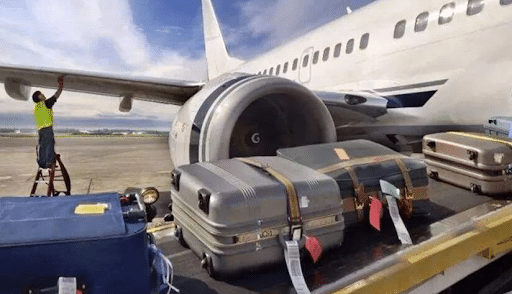
How Saudi Airlines Can Use RFID to Manage Ground Equipment & Catering Assets
The aviation industry is one that is characterized by fast-paced activities. Airline operators within Saudi Arabia are always looking for better ways to enhance their turnaround periods, minimize the loss of resources, and optimize their airport operations. The most innovative technology that is currently shaping airline operations is RFID Equipment Management.
There are thousands of movable assets handled at any airport on a daily basis, ranging from luggage carriers to maintenance equipment. Manually managing such assets can cause significant delays, misplacements, inefficiencies, and ultimately high costs. RFID Equipment Management technologies offer a solution to all these issues for Saudi airlines.
What is RFID Equipment Management?
RFID Equipment Management
means using Radio Frequency Identification technology to automatically identify, track, monitor, and manage physical assets in real time. RFID systems operate with the help of tags that are stuck on the equipment and readers that are installed at the checkpoints or operational zones which allow recording the movement of assets without manual scanning.
Where barcode systems require manual scanning, RFID technology:
- provides faster identification of assets
- facilitates real-time tracking
- enables automated inventory monitoring
- offers better operational visibility
- helps lower human errors
Using RFID, airlines and airports will be able to greatly enhance how they manage the ground support equipment and catering assets within the terminals, maintenance areas, and aircraft operations that are being used at different locations.
Challenges Saudi Airlines Face in Asset Management
Saudi airports are among the places in the Middle East. This is because tourism, religious trips and overseas business are all on the rise. Airlines that fly to cities, like Riyadh, Jeddah and Dammam move a lot of equipment every single day.
Some of the problems that happen often are:
Ground Equipment Gets Lost
Baggage carts, wheelchairs, tow tractors, cargo dollies and maintenance tools are moved around the airport a lot. Because there is no tracking system many pieces of ground equipment get lost or they sit idle and are not used to their full potential.
Catering Asset Theft
Airline catered meals include thousands of trays, trolleys, food containers, and reusable service items. Asset loss and inventory errors are just some of the consequences of manual operations.
Aircraft Turnaround Delays
If the airline employees are distracted by the need to find equipment or if they have to wait for the delivery of catering, then the time taken for the aircraft turnaround is increased, resulting in flight schedule disruptions and less satisfied passengers.
Unavailability of Real-Time Visibility
The old fashioned methods of tracking cannot offer up to date information about the locations of assets, their movement history, or their usage patterns.
Very Expensive Operations
On one hand, replacing lost assets and managing manual audits, and, on the other, dealing with inefficient workflows may collectively lead to significantly increased operational expenses.
So, aviation companies are turning to RFID Equipment Management systems for automating and maximizing efficiency.
How RFID Helps Manage Ground Equipment
Ground support equipment (GSE) is an essential element for the smooth operations of airlines. With RFID systems airlines are able to handle these assets effectively through tracking and monitoring.
Instant Equipment Location View
If you put RFID labels on:
- Baggage carts
- Air cargo containers
- Tow tractors
- Wheelchairs
- Maintenance tools
- Fueling equipment
airport personnel can immediately recognize the location of each equipment.
RFID Equipment Management enable airlines to:
- Cut down on the time needed to locate something
- Make the most of the usage of equipment
- Disallow unauthorized access or movement
- Keep track of the current state of availability of assets
At the same time this enhances the coordination of operations and reduces time loss due to delay.
Automatic Equipment Check-In & Check-Out
Traditional paper-based method of tracking user’s usage of equipment can take up quite a bit of time and, at the same time, be riddled with mistakes. However, with RFID systems, it is possible to do the record keeping automatically by noticing:
- Who was the user of the equipment
- At what time the equipment was moved
- What area was the equipment in when it entered or left the location
- The period of time the equipment was used
Such backtracking allows one to have full control over one’s assets and at the same time, increase one’s ability to perform work efficiently.
Preventing Equipment Loss
Most of the missing or stolen equipment cases belong to large airports. At operational exits, RFID gates, besides regulating the passage of people and goods, can also be used to monitor and control the location of the assets. Thus, if a tagged asset moves outside the controlled area, an alert will be triggered.
With the use of RFID Equipment Management, Saudi airlines can:
- Lower asset theft
- Prevent the loss of equipment
- Enhance security compliance
- Keep the equipment records accurate
This will be reflected in huge cost savings in the long run.
RFID in Airline Catering Asset Management
Operations in airline catering are quite complicated and extremely time-bound. If you try to handle catering trolleys, food carts, containers, and reusable service items just by manual work, it will not only lead to inefficiencies but you might also end up with inventory gaps.
With the aid of RFID technology, airlines can not only increase the accuracy of catering logistics but also the delivery on time of aircraft catered items.
Catering Trolley Tracking Using Smart Technologies
For example an RFID tag can be added to every catering trolley. This tag contains the following details:
- The unique ID of the asset
- The flight the trolley is planned for
- The catering status
- The delivery location
- Maintenance records
RFID readers that are lodged at the catering facilities, loading docks, and even aircraft entry points capture trolley movements automatically, without the need for any work.
Results include:
- More rapid catering loading
- Precise flight assignment
- Trolley loss decreased
- Higher operational transparency
Inventory Accuracy in Catering Operations
Catering departments deal with large inventories of reusable assets on a daily basis. If items go missing, it not only increases the cost of operations but also causes supply shortages.
By implementing RFID Equipment Management, airlines will be able to:
- Check reusable catering assets at real-time
- Get automatic inventory level update
- Decrease manual counting
- Enhance stock replenishment
These are ways of keeping catering operations going without interruptions and at the same time, decreasing waste generated from inefficiency.
Improving Aircraft Turnaround Time
Aircraft turnaround times play a role in how much money an airline makes. For example if the right equipment is not there or if there is a mistake, with the food it causes delays. These delays mess up the flight schedule. Also make passengers unhappy.
RFID airport systems will make it possible to double-check Ukraine operations in a way that:
- will help the crew to have equipment at hand all the time
- will facilitate the timely arrival of the catering”
- will enable RTO staff to quickly find the resources they need
- will ensure maintenance tools are always in the right place
Then, airlines will be able to:
- get the next boarding ready more quickly
- have fewer delays thanks to other operations
- have a better chance of the flight being on time
- give passengers a better experience
Why RFID is Best for Saudi Aviation Industry
Saudi Arabia is putting a lot of money into growing Saudi Arabia’s aviation industry. Saudi Arabia wants Saudi Arabia’s aviation industry to be a part of Vision 2030. These objectives can be achieved through RFID solutions as they provide:
- Scalable asset management capabilities
- Automation of airport processes
- Greater efficiency
- Cost reduction in operations
- Effective resource utilization
The RFID Equipment Management system is best suited for busy Saudi airports that receive millions of passengers annually.
Conclusion
As Saudi Arabia keeps up with the development of its aviation infrastructure, airlines need to leverage more sophisticated technologies to enhance their operational productivity and at the same time minimize their expenses. RFID technology is an excellent option for controlling aviation ground equipment and catering products very accurately and with minimal human intervention.
Firstly, through the deployment of RFID Equipment Management solutions, airlines in Saudi can:
- Monitor their equipment live
- Minimize not only the misplacement of items but also delays
- Get planes ready for flights faster
- Optimize the provision of meal services on aircraft
- Raise the level of operational transparency
Because time is a really crucial factor in this sector, RFID is rapidly transforming into the most important technology to be used in aviation operations in the coming years.