
Fixed Asset Management for Retail Chains: A Complete Guide
In the world of retail chains, it is a zero error scenario and are working towards operational efficiency along with cost control to grow their business. From point of sale systems and digital display screens, to warehouse equipment and IT infrastructure retailers operate thousands of valuable assets at every branch site around the world. However, in absence of a proper asset management system organizations end up having many misplaced assets and inaccurate records that result in maintenance issues or unnecessary replacement costs.
Modern retailers are also increasingly embracing Fixed Asset Tracking Solutions so that they can have better control over their assets, increased operational efficiency and reduced financial losses. The deployment of advanced systems for RFID and barcode-based tracking is changing the face on how retail chains manage & track their fixed assets in real time.
In this comprehensive guide, we explain the workings of fixed asset management and visibility in retail businesses so that you can understand how Fixed Asset Tracking Solutions streamline retail operations.
What Is Fixed Asset Management?
Fixed asset management involves the monitoring and management of fixed long-term physical assets belonging to an organization. Some of the items that form part of the fixed assets within the retail chains can be:
- Point of Sale system
- Computer and server
- Printer and scanner
- Warehouse equipment
- Shelf
- Screen and kiosk
- Furniture
- Refrigeration systems
- Security systems
- Vehicles
Management of such assets manually is challenging when organizations become larger and spread across many outlets. This is when automated Fixed Asset Tracking Systems come into play.
Why Fixed Asset Management Is Important for Retail Chains
As for retail, their business heavily relies on logical execution and equipment availability. The following are the downsides of asset mismanagement:
- Asset loss or theft
- Duplicate purchases
- Increased operational costs
- Inaccurate financial records
- Maintenance delays
- Poor asset utilization
- Compliance and audit challenges
A comprehensive fixed asset management system tracks every asset throughout its life cycle from procurement to disposal.
Common Challenges Faced by Retail Chains
Managing Assets Across Multiple Locations
Many large retail chains operate their stores and warehouses across one or more different distribution centers. Manually tracking physical assets in multiple locations is time-consuming and prone to human error.
Additional problems arise from lack of visibility: an organization may lose valuable assets or be late in finding the equipment.
Manual Record-Keeping Errors
The conventional spreadsheets and paper asset register are tedious to stay accurate. Due to human errors, incorrect asset data can exist in the system when records and financial information are poorly transcribed.
Asset Misplacement and Theft
Asset movement between departments or across locations is common in Retail stores. Without real time monitoring. assets can be misplaced, lost or stolen.
Lack of Maintenance Tracking
Without setting automatic reminders, businesses could miss equipment maintenance schedules and face expensive repairs as well as downtimes in the case of retail equipment.
Inaccurate Depreciation and Financial Reporting
Not just for calculating depreciation, the finance teams need accurate asset information also to report on insurance and conduct compliance audits. No visibility on maintained asset data creates huge accounting and regulatory burdens.
What Are Fixed Asset Tracking Solutions?
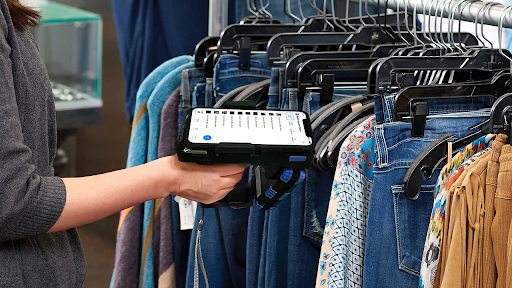
Automated technology-based systems empowers Fixed Asset Tracking Solution for monitoring, tracking and reporting of assets. They use RFID, barcode, QR code or IoT technologies to provide real-time information about the location and status of assets.
A comprehensive asset tracking system normally comprises of:
- RFID tags or barcode labels
- Handheld or fixed readers
- Asset management software
- Centralized dashboards
- Automated reporting tools
- Maintenance scheduling features
These solutions allow retailers to properly manage the assets across all their business locations.
How RFID Based Fixed Asset Tracking Works
Because of the speed, accuracy and automation capabilities that RFID technology provides, it is becoming a more common practice in retail asset management.
Step 1: Asset Tagging
RFID Tags for Each Individual: This means, you have a separate tag for each asset that has identification information.
Step 2: Asset Registration
The centralized software stores details of the assets, like whatever purchase date for which it was purchased, department where it’s located and warranty/ maintenance history etc.
Step 3: Real Time Tracking
RFID readers automatically identify tagged assets as they move into stores/ warehouses or offices.
Step 4: Reporting
It can create daily automated reports regarding asset availability, history of movement from one place to the other along with solutions for utilization and maintenance of the database. Such automation greatly enhances operational efficiency for retail chains.
Benefits of Fixed Asset Tracking Solutions for Retail Chains
Improved Asset Visibility
Retailers have full insight into asset positions, condition and displacement among all locations (branches & warehousing).
It reduces search time and enhances operational coordination.
Reduced Asset Loss and Theft
This automated integration enables asset movement, but at the same time helps businesses identify unauthorized asset movement in real time with alerts set automatically. This reduces asset losses and increases security.
Faster Asset Audits
Large retail chains can take days or weeks to manually verify their own assets. With the help of RFID-enabled audits, businesses can scan thousands of assets in just a few minutes.
Benefits include:
- Faster inventory verification
- Reduced labor costs
- Improved data accuracy
- Simplified compliance reporting
Better Asset Utilization
This also enables retailers to track assets which are not utilized effectively or are lying idle and helps allocating those across the locations efficiently.
It eliminates all unnecessary purchases and gives more return on each investment.
Automated Maintenance Management
Tracking solutions: Fixed Asset tracking solutions assist in scheduling preventive maintenance and dispatching automated service reminders
Reducing equipment downtime and extending asset lifespan.
Accurate Financial Reporting
Asset tracking systems keep track of depreciation, insurance and taxes even for compliance.
All with the added benefits for finance teams in terms of reporting accuracy and working papers audit readiness.
Key Features to Look for in a Fixed Asset Management System
In the process of picking out a system for fixed asset tracking, there are some features that retailers might want to consider in their search, including:
- Real-time fixed asset tracking
- Fixed asset database
- RFID and barcode integration
- Mobile tracking capability
- Scheduling of maintenance
- Compliance reports
- Support for multiple locations
- Cloud-based access
- Notification alerts
The proper selection can be beneficial for retail operations.
Managing these assets better than the competition can drive down operation expenses and reduce errors, making asset visibility more reliable for many retail chains. In 2023, manual asset management methods are no longer viable for multi location retail businesses.
With the advanced Fixed Asset Tracking Solutions in place, retailers can now automate asset tracking and monitoring eliminating losses, enhancing audits & optimizing equipment utilization at every location.
Today’s asset tracking solutions utilizing RFID technology provides the visibility and automation that modern retailing demands, right now! More and more retail businesses will get on the digital interaction, thus fixed asset management technology is still a core to continue impacting operational success & run business growth at full speed.